Melbourne, Australia
Trusted compute for physical AI
Enoxa designs the safety-critical, real-time control layer that sits beside the AI brain of any robot or autonomous machine. We start with robots and a certified module, and build toward our own RISC-V chips, designed in Melbourne.
14:02:07.118 teleop.move v=2.4 m/s signed ✓ policy ✓
→ clamped to 1.2 m/s · person at 3.1 m
14:02:09.540 fw.update v4.2 unsigned · dropped
14:02:11.003 video.upload site-cam-2 egress denied
E1 design targets, not measured results.
The problem
Robots have a brain. Their cerebellum is a patchwork.
Every capable robot runs two kinds of compute. The brain runs large AI models for vision and planning. The cerebellum runs motion control, sensor fusion and safety stops, where milliseconds matter and every part must be certified.
Today that second job is handled by general-purpose controllers that were never designed for whole robots. That is the layer Enoxa builds.
| Brain | Cerebellum (Enoxa) | |
|---|---|---|
| Job | See, understand, plan | Move, sense, stop safely |
| Timing | Tens of milliseconds is fine | Every millisecond, on a fixed schedule |
| Safety | Not safety-rated | Designed for IEC 61508 SIL 2 |
| Changes | Whenever AI models improve | Designed in once, certified, kept for years |
| Today | NVIDIA Jetson Thor and similar | A patchwork of general-purpose controllers |
The brain decides what the machine should do. Enoxa decides whether it is allowed and safe.
Three gaps we close
Trust
Robots and autonomous machines in mining, defence and critical infrastructure need control hardware their operators can audit and trust.
Fit
Robots with 30 or more joints and learned AI control need more than a controller built for a single machine.
Sovereignty
Australia designs world-class chips. Its robots and autonomous machines should run on compute designed here.
One path from module to chip
Each step funds the next, and a robot designed around M1 takes E1 later without a redesign.
Control module
Our safety software, robot interfaces and a link to the robot's brain on a pre-certified safety chip.
Cerebellum chip
Our own RISC-V chip, with real-time cores, a robot AI engine and a dedicated safety island.
Brain and cerebellum
A full chip with HBM memory for allied makers of robots and autonomous machines.
Where it runs
Built for machines that can't fail
| Segment | What Enoxa does in the machine | Product |
|---|---|---|
| Mining autonomy | Speed and separation near people, signed remote commands, machine-health models for haul trucks and drill rigs | M1 → E1 |
| Defence | Mission-command authorisation, a tamper-evident audit log, air-gapped fleet tools | E1 |
| Agriculture and field | Person detection near implements, rugged low-power control far from the grid | E1 |
| Robot and vehicle makers | A certifiable, AI-ready controller beside the robot's brain | E1 → E2 |
Built with the people who run robots
We develop every product inside real robot fleets, starting with ARIBOT. If you build or run robots or autonomous machines, help shape what we build.
Technology
Real-time control for robots and autonomous machines, built to be trusted
Enoxa sits between a machine's brain and its body. We run the motion control, sensor fusion and safety functions that have to work every millisecond, and we design them to be certified and audited.
Beside any robot brain
Enoxa connects to the robot's main AI computer over PCIe or Ethernet, and to its motors and sensors over the interfaces robot makers already use: CAN-FD, EtherCAT, time-sensitive Ethernet, encoders and camera links. A dedicated safety island can bring the robot to a safe stop on its own, even if everything else fails.
The brain decides what the machine should do. Enoxa decides whether it is allowed and safe.
The trust engine
The part buyers in mining, defence and government ask about first. It sits in hardware between the robot and the network.
Data egress control
Policies set which data may leave the machine, where to and in what form. Video can stay on site while only events leave.
Signed commands
Every remote command must carry a valid operator signature. Anything unsigned or out of policy is dropped and logged.
Tamper-evident log
A signed record of commands, policy changes and safety events that answers who told this machine to do what, and when.
M1 module · coming 2028
Certified control, sooner
M1 puts Enoxa's safety software, ROS 2 drivers and brain link on a proven, pre-certified safety chip, with an FPGA running our own AI and safety logic. Robot makers design Enoxa in now and move to our own silicon later without redesigning the robot.
E1 chip · in development
Our RISC-V cerebellum chip
E1 is our first chip. The design targets are below. None of them is a measured result yet.
| E1 parameter | Design target |
|---|---|
| Real-time cores | RISC-V, running in lockstep pairs, plus a separate safety core TARGET |
| Robot AI engine | 4–8 TOPS INT8 for learned control models TARGET |
| Safety island | Watchdogs and a hard safe-stop output, designed for IEC 61508 SIL 2 TARGET |
| Security | Secure boot and a hardware root of trust |
| Process · power | 22nm at a non-Chinese foundry · under 5W TARGET |
| Temperature | −40 to +105 °C TARGET |
Open, auditable, secure
We build on the open RISC-V instruction set and proven open-source chip platforms, so customers and assessors can see how the chip works. We design what makes a robot safe and capable, and license proven blocks for the rest.
Designed for certification from day one
Safety can't be added after a chip is built. We design to the IEC 61508 functional-safety standard from the first line of the specification, so our customers can certify their machines.
Want the full technical picture?
Request the technical briefDesign partners
Shape the control layer your machines will run on
We're inviting a small group of robot makers and operators to help define Enoxa's products before they ship.
Who it's for
- Mining
- Autonomous vehicles, drills and inspection robots working near people and in harsh conditions.
- Defence
- Uncrewed systems that need auditable, trusted control hardware.
- Field and agriculture
- Low-power robots working far from the grid.
- Robot and vehicle makers
- Humanoid, industrial robot and off-road autonomous vehicle companies looking for a certifiable, AI-ready controller.
How a partnership runs
Five steps from first call to supply. Each step is agreed with you before it starts.
What you get
- Early access to M1 modules and E1 development hardware
- A direct say in the specification
- Engineering support to integrate Enoxa into your machine
- Priority supply when products ship
What we ask
- Share the control and safety workloads your machines run
- Test early hardware and tell us what works
- For pilots, a clear scope and success criteria agreed up front
Our first partner
Proven in ARIBOT's fleet
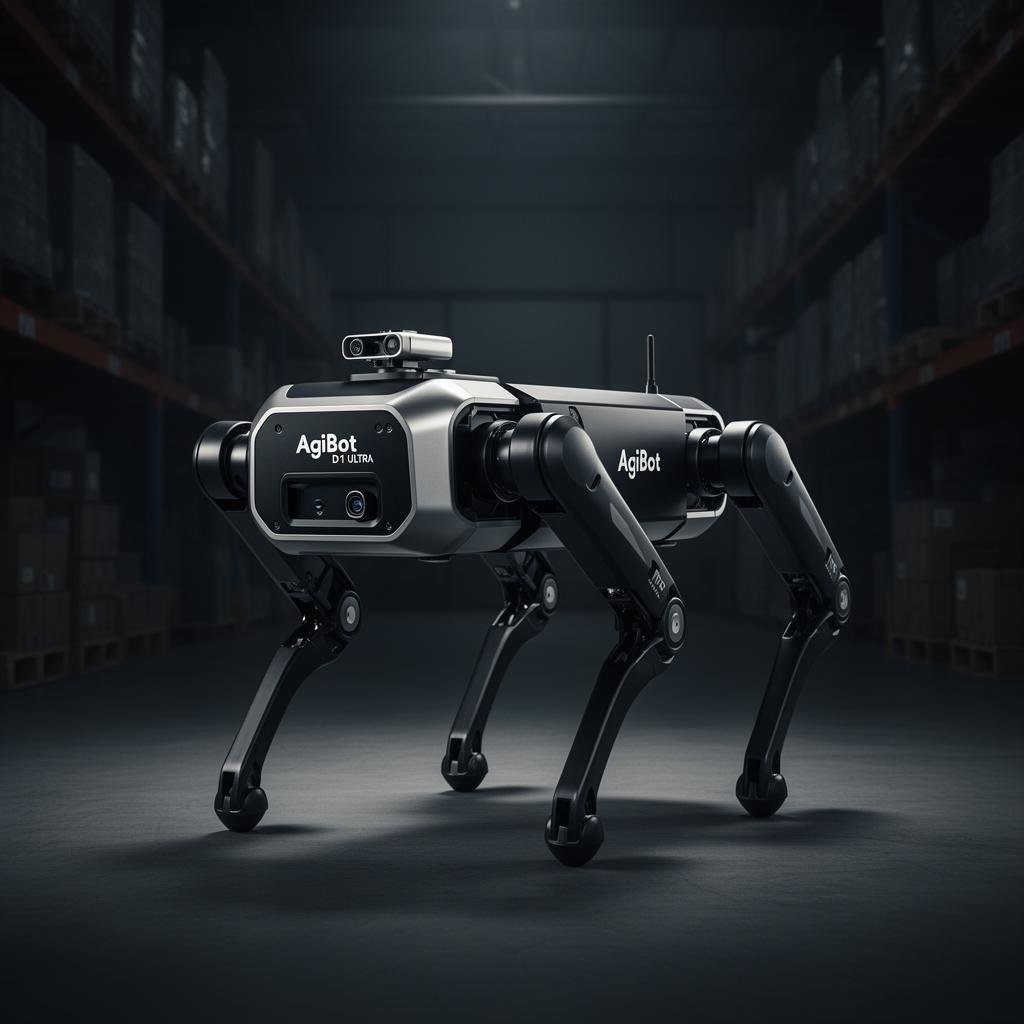
ARIBOT is our first design partner. Its robots run our technology first, giving every later partner a real-world reference.
About Enoxa
Sovereign compute for physical AI, designed in Australia
Robots and autonomous machines are moving out of labs and into mines, farms and defence. The hardware that keeps them safe should be designed by people their operators can trust. That's why we started Enoxa in Melbourne.
Why we exist
Australia runs some of the world's most demanding machines, from autonomous haul trucks to uncrewed defence systems. Yet the chips that control them are designed overseas. Enoxa's mission is to build the trusted, safety-critical control layer for robots and autonomous machines here, and to sell it to their makers in Australia and allied countries.
One step at a time
We prove every step before the next.
- M1
- A certified control module running in real robots.
- E1
- Our own chip, built once customers have committed.
- E2
- A full chip: brain and cerebellum together.
Dates are plans, not commitments.
The team
We're hiring our founding engineering team. See Careers.
 Dhody Mega SetiawanPresident Director · 5+ years in industrial engineering across manufacturing sectors
 Dikka Ayu SetiawatiFinance and Administration Director · 5+ years in manufacturing quality control
 Rizkah FadhilahLegal and HR Director · 9+ years in engineering projects and procurement
Careers
Build the chips that make physical AI safe
We're hiring the founding engineers who will design the chips that keep robots and autonomous machines safe. Small team, hard problems, real robots.
Founding roles
All roles: Melbourne, hybrid. We support relocation for Australians coming home.
- Founding chip architect
- You've taken a chip from specification to production, ideally with safety or automotive experience. You'll own E1's architecture.
- Functional safety lead
- You've led IEC 61508 or ISO 26262 work on silicon or controllers. You'll make safety part of E1 from day one.
- Robotics control lead
- You've built real-time control for legged, humanoid or industrial robots. You'll define what E1 must do, working alongside ARIBOT.
- Embedded and FPGA engineer
- You've brought up FPGA and embedded systems in hardware. You'll build the M1 module.
Currently at another chip or robotics company? Write to us in confidence at [email protected].
Research and partners
Research that ends up in real robots
We work with Australian universities, research agencies and industry to turn research in chips and robotics into products.
What we're working on
Four research areas, each tied to one part of the stack.
- Robot AI engines
- Hardware that runs learned control models with fixed, predictable timing.
- Safety islands
- Independent on-chip monitoring that can always bring a machine to a safe stop.
- Brain-to-cerebellum links
- Fast, safe communication between a robot's main AI computer and its control chip.
- Field robotics
- Control that works reliably in heat, dust and remote locations.
Ways to work with us
- Joint research projects, including Cooperative Research Centres Projects (CRC-P)
- PhD and student projects with industry supervision
- Testing our hardware in your robots and labs
Working on chips or robotics research?
Tell us about your group and what you'd like to build together.
Contact
Talk to Enoxa
Tell us a little about yourself and we'll reply within two business days.
Privacy
Privacy policy
How Enoxa handles the details you share with us.
- What we collect
- When you contact us through this site, we collect the details you give us: your name, email address, organisation and message.
- How we use it
- We only use your details to reply to you. We don't sell your data, and we don't add you to marketing lists without your consent.
- Contact
- Questions about this policy? Email us at [email protected]. Enoxa Semiconductor Pty Ltd, Melbourne, Victoria, Australia. ABN 62 685 453 294.